How to Vote in Steal The Show
When you are not on stage, you are the crowd. Stars are the whole scoreboard.
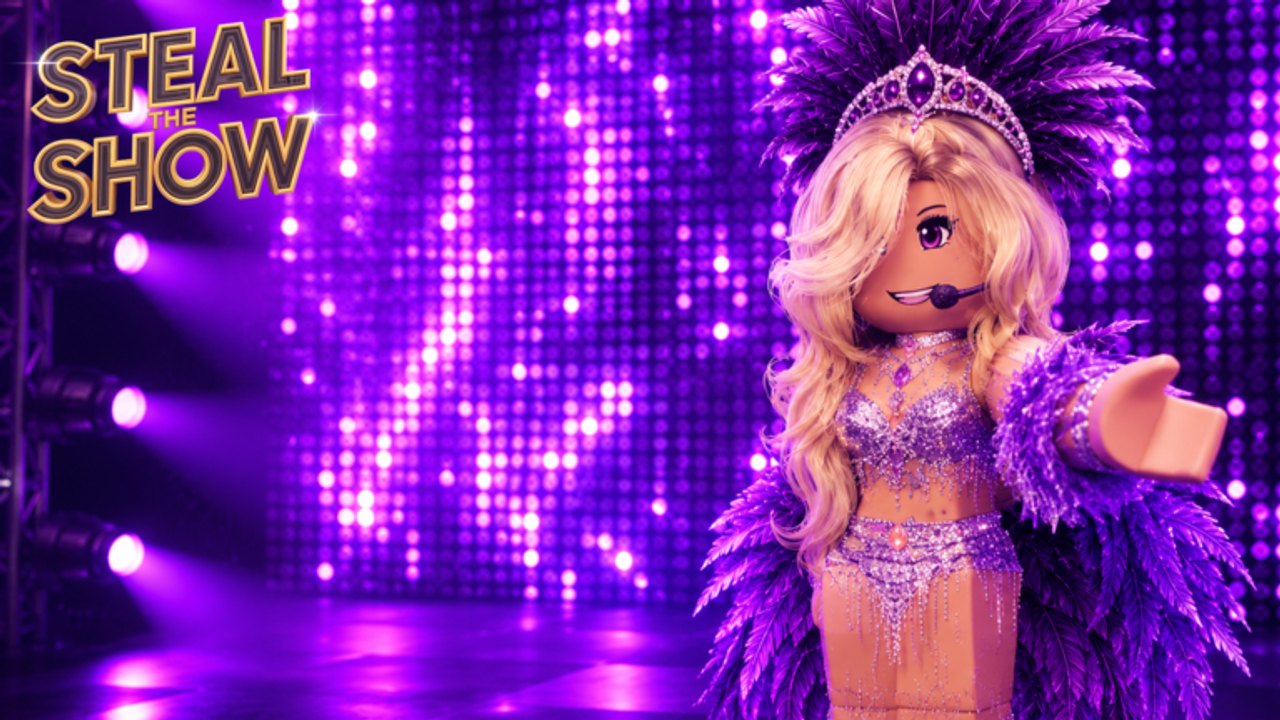
The official Steal The Show description is blunt: eight players take turns performing, and everyone votes on everyone else. When you are not on stage, you are the judge. The player with the most stars from the crowd wins. This page is the judging manual — for fairness, for better lobbies, and for understanding what you are asking other people to do during How to Perform.
If you still need the full loop, read How to Play. If you only care about placing first, continue to How to Win after this.
Why voting is not optional
A music showdown with empty scores is just eight people waiting. Stars are the feedback that tells a performer the open worked, the outfit read, or the lights landed. Rooms that refuse to vote become rooms that refuse to try.
You also learn faster as a judge than as a performer. You see seven other answers to the same problem. Steal those answers. That is legal. That is the sport.
A simple scoring rubric
The game does not publish a hidden pro sheet. Use a rubric you can finish during one song:
- Song choice. Did the track give them a hook in time? Compare with the song tier list.
- Outfit. Could you read the idea from the seats? See the looks tier.
- Stage. Did lights and effects frame the body or hide it? See stage design.
- Performance. Did they move on purpose for an open, a hold, and a close?
Give more stars when three or four boxes are clearly yes. Give fewer stars when the act is a standing AFK or a particle wall with no dancer. You do not need to be cruel. You need to be consistent.
Friend bias and revenge votes
Small eight-player rooms make social votes loud. If you always max-star your friend and zero everyone else, you are not playing the showdown — you are playing a private chat. Other players notice. They will mirror you, and your own good acts will die in a stacked room.
Revenge zeros after a low score feel good for one second and then train the lobby to ignore quality. If someone AFKs, score the AFK. If someone actually performed, score the performance.
Timing your stars
Watch the open before you lock a score. Plenty of acts look messy in the first second and then land a chorus. Plenty of acts look stylish in the first pose and then never move. A fair vote waits for the hold, then confirms on the close.
On mobile, the vote UI can sit close to movement controls. Read Controls so you do not accidentally fire a score while trying to change camera.
How judges create the meta
Whatever this lobby rewards becomes the next lobby’s fashion. If you star only the loudest effects, you will see more particle storms. If you star readable choreography and a matched outfit, you will see more of that. The tier list hub is a snapshot of what usually reads; your stars are the live version.
When the round ends, say one useful thing in chat if the room is friendly: “open was late” or “lights hid the fit.” That is more useful than “ez.” Then run the performance checklist on yourself with the same rubric.
What we do not claim
We do not claim a hidden algorithm beyond the official star crown. We do not claim that buying items raises vote weight. If a script seller says they can auto-star you, that is a scam path — see Scripts and script safety.
Vote like a crowd that wants a better show. You will get better shows, and your own spotlight will land in a room that still knows how to score.
Frequently Asked Questions
Quick answers for the current Steal The Show beta.
Do I have to vote in Steal The Show?
The official loop says everyone votes on everyone else. Skipping votes makes the round noisier and teaches you less.
Should I vote before the song ends?
Wait for the opening hook and at least one hold. Confirm on the close so late choreography still counts.
Is it okay to always star my friends?
It tanks lobby quality. Score the act you saw, not the username you know.
Guides Overview
Steal The Show Roblox guides for how to play, perform, dress, light the stage, vote, and win eight-player rounds.
How to Play
Learn the Roblox Steal The Show loop: eight players, song, outfit, stage design, live performance, and star votes.
How to Perform
Steal The Show performance tips: song timing, movement, stage presence, and how to hold stars for a full Roblox act.
Build Outfit
Steal The Show outfit guide for Roblox: readable silhouettes, song-matching looks, and stage-friendly fashion.
Design Stage
Steal The Show stage design guide: lights, effects, and visuals that make a Roblox performance readable from the seats.
How to Win
How to win Steal The Show on Roblox: stack song, outfit, lights, and performance so the eight-player crowd gives you the stars.